Health in New York City: Current Challenges and Community Awareness (2026)
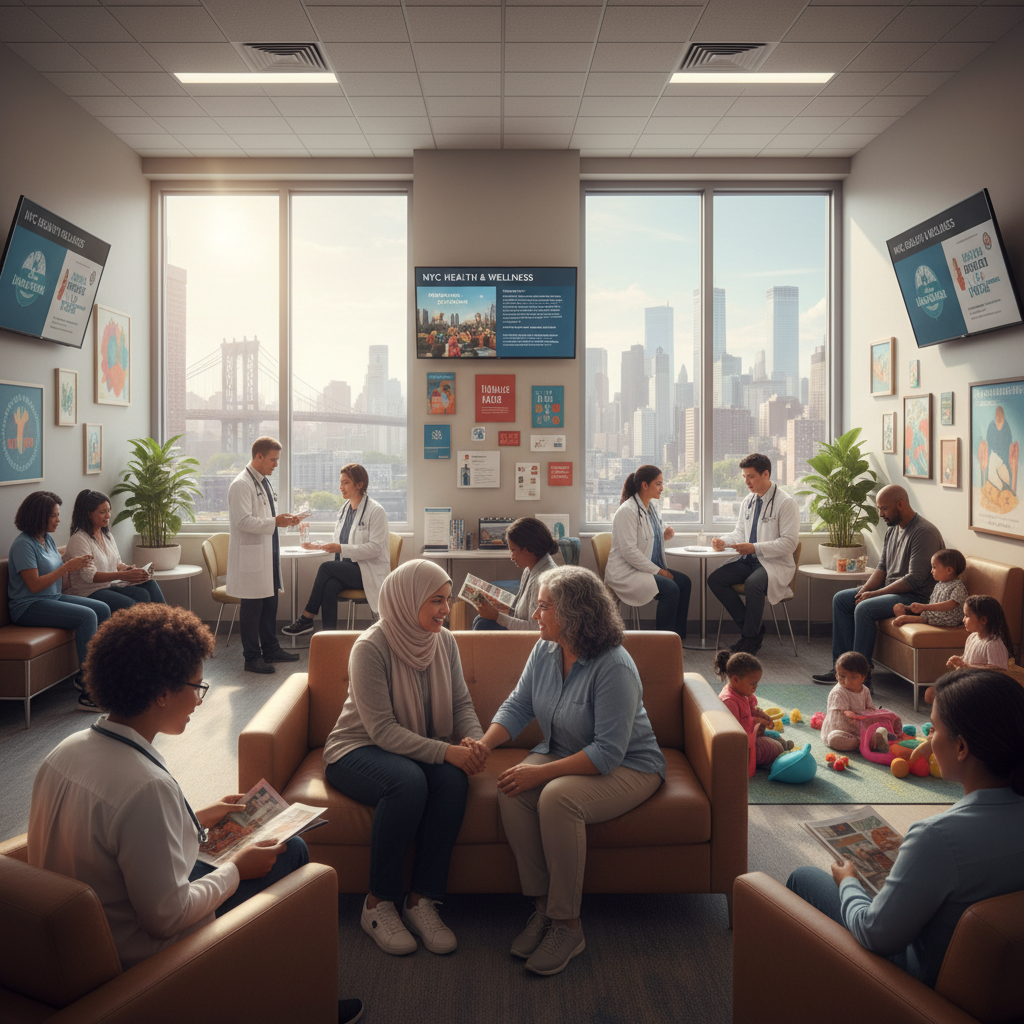
New York City has long been a leader in public health innovation, but 2026 brings new challenges that require renewed community focus and engagement. From mental health awareness to chronic disease prevention, the city's diverse communities are at the forefront of a health equity movement that seeks to ensure every resident has access to quality care.
Rising Mental Health Concerns
Mental health remains one of the most pressing issues facing New Yorkers today. Studies show that nearly one in five adults in the city experiences a mental health condition each year. Community health centers across Brooklyn, Queens, and the Bronx have expanded their mental health services, offering counseling in over 15 languages to serve the city's diverse population.
For the Arab American community, cultural stigmas around mental health have historically been a barrier to seeking help. Organizations like the Arab American Family Support Center in Brooklyn are working hard to break down these barriers through culturally sensitive outreach programs and support groups conducted in Arabic.
Chronic Disease Prevention
Diabetes, heart disease, and hypertension continue to disproportionately affect immigrant and minority communities in New York City. Health advocates are calling for increased access to preventive care, healthier food options in underserved neighborhoods, and more culturally appropriate health education materials.
The New York City Department of Health has launched several targeted initiatives aimed at reducing health disparities, including free screening programs and mobile health clinics that visit neighborhoods with limited access to traditional healthcare facilities.
Access to Affordable Healthcare
Despite the availability of programs like NYC Care and Medicaid, many residents — particularly recent immigrants and undocumented individuals — still face significant barriers to accessing healthcare. Language barriers, fear of immigration enforcement, and lack of awareness about available services contribute to these challenges.
Community advocates are urging the city to do more to connect vulnerable populations with the health resources they need, including expanding multilingual outreach and increasing funding for community health workers who can serve as trusted bridges between communities and the healthcare system.
Healthy Living and Wellness
Across New York City, community organizations are promoting healthy lifestyles through free fitness programs, nutrition workshops, and wellness fairs. Parks departments have expanded programming, and local mosques and community centers in Arab neighborhoods are hosting regular health education events.
As 2026 unfolds, the message from health leaders is clear: community awareness, early intervention, and culturally competent care are the keys to building a healthier New York City for everyone.
Contact the Newsroom
Have a tip, correction, or story idea about this article? Reach out to our team.
Stay Informed
Get the latest Arab American news, new issues, and community updates delivered to your inbox.
Comments
Be the first to comment.
Read Also
Related News
Bronx Fire Prompts NYC Mayor and FDNY Leadership to Address Public Safety Concerns
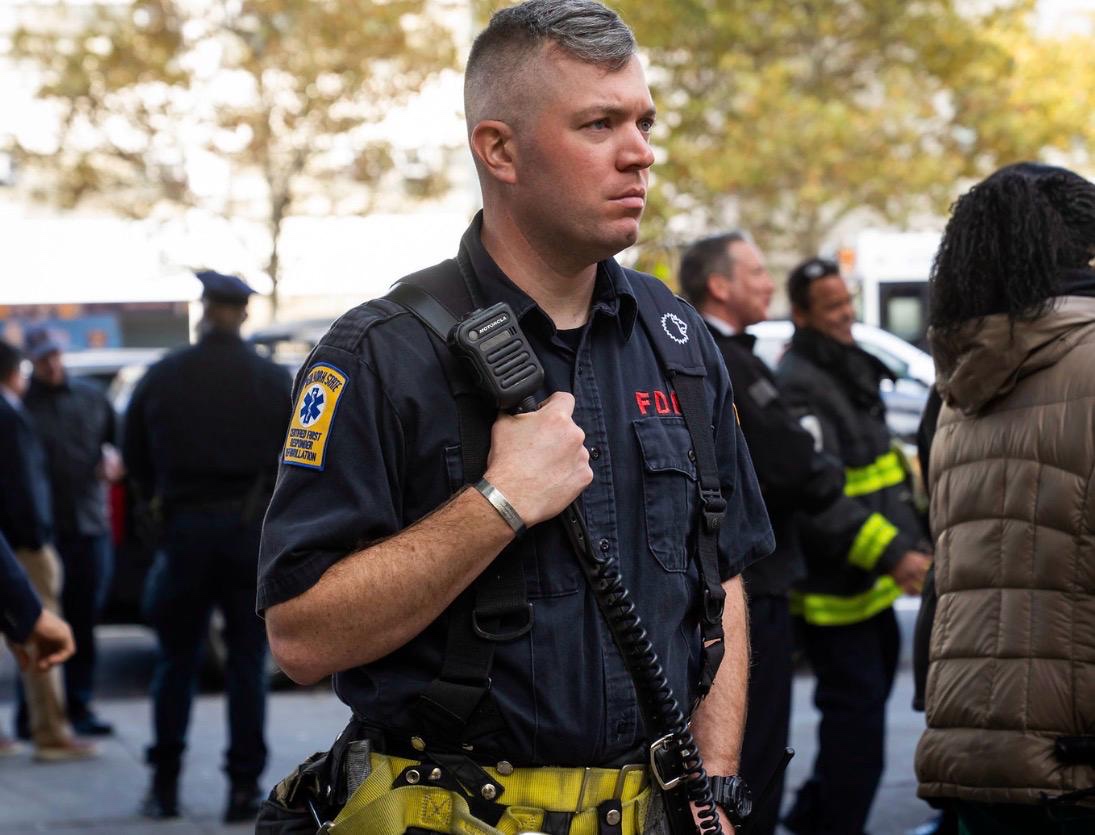
A fire in the Bronx has renewed attention to fire prevention, emergency response, and building safety, as Mayor Zohran Mamdani and FDNY Commissioner Lilian Bonsignore addressed the incident at 320 Morris Avenue.
The Health Benefits of Walking Every Day
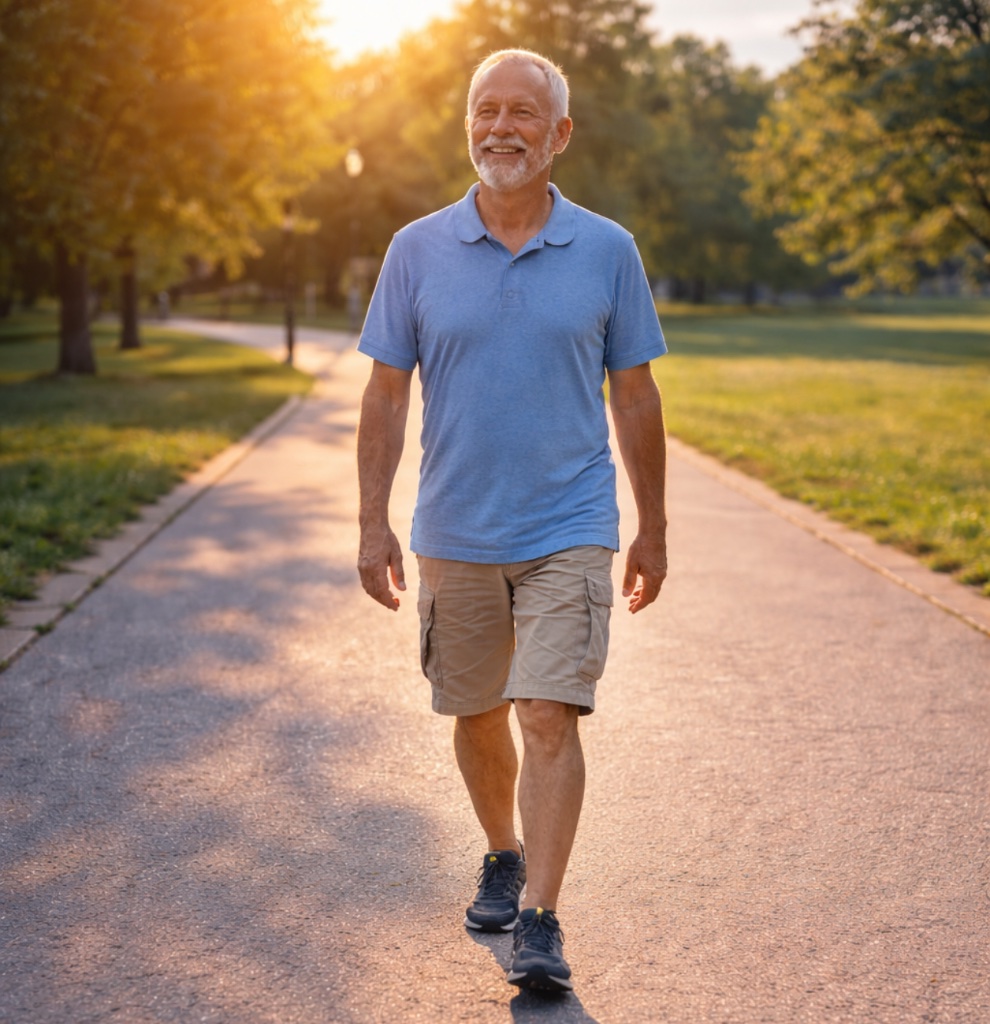
Walking every day is one of the simplest and most effective ways to improve overall health — supporting the heart, mind, muscles, and long-term quality of life.